B2B Podcast Networking: Build Connections with Audio
Podcasting is reshaping B2B networking. It has evolved far beyond simple broadcasting. Today, it stands as a powerful tool for building high-level professional connections. The focus has shifted from reaching a massive, passive audience to engaging with a select, influential few. This is the core of account-based podcasting. The objective is no longer just about listeners tuning in; it is about actively building industry relationships that deliver tangible business value.
This guide will show you how to utilize podcast networking to form meaningful connections, establish authority, and cultivate a powerful ecosystem around your brand. We will explore strategies that move beyond traditional outreach, turning audio content into a gateway for unparalleled access to industry leaders and strategic partners.
Podcast Networking vs. Podcast Networks
It is essential to understand a critical distinction. Joining most podcast networks is different from strategic podcast networking. A network is often a centralized entity that groups multiple shows, usually for cross-promotion and shared advertising revenue. The focus is on collective growth.
Strategic podcast networking, however, is a decentralized approach. You are the architect of your own ecosystem. It uses the podcast format to bridge the gap between impersonal cold outreach and valuable warm introductions.
An interview request is far more compelling than a standard sales email. It offers a platform for your ideal contact to share their expertise. This single interaction can have a compound effect, where one conversation blossoms into a lifetime of professional opportunities and collaborations.
A Framework for B2B Podcast Networking
Your podcast networking strategy will change depending on your business goals. Each approach offers a unique return on investment (ROI) and is suited for different departments within your company.
Here is a breakdown of the top-level frameworks:
Guest-Led Networking:
This strategy involves inviting key prospects or leads onto your show.
- Objective: Build direct relationships with potential customers.
- Best For: Sales and Business Development teams.
- Primary ROI: Generates direct revenue and increases Customer Lifetime Value (CLV).
Peer-to-Peer Collaboration:
You can appear as a guest on other podcasts in your niche or invite hosts of other podcasts onto your show.
- Objective: Expand your reach by sharing audiences with other creators.
- Best For: Brand Awareness initiatives.
- Primary ROI: Drives new subscriber growth and attracts new listeners.
Influencer Outreach:
This involves connecting with recognized thought leaders and experts in your industry.
- Objective: Gain authority and credibility by association.
- Best For: Establishing Thought Leadership.
- Primary ROI: Boosts brand equity and industry standing.
Industry Cross-Pollination:
Focus on building a web of referral partners by interviewing companies that serve the same audience but are not direct competitors.
- Objective: Create a robust and supportive business ecosystem.
- Best For: Ecosystem Building and channel sales.
- Primary ROI: Forges long-term strategic partnerships.
How to Build Strategic Industry Connections
How do you turn a simple audio recording into a powerful networking event? It requires a deliberate and strategic approach that places value at the center of every interaction.
The interview request acts as a “Trojan Horse” for your content. A C-suite executive who ignores countless LinkedIn messages will often welcome a 45-minute conversation that positions them as an expert. This gives you direct access that you could not otherwise achieve. Over time, your podcast transforms from a solo show into a central hub for your niche, a community where leading voices gather.
Do not underestimate the “Magic 15 Minutes” after you stop recording. This unstructured time is where real connection happens. Use this opportunity to ask about their challenges, share relevant ideas, and explore how you might support each other beyond the episode.
Technical Pillars for Networking Success
Your professionalism is constantly being evaluated. To make your podcast networking efforts successful, you must have the right technical elements in place. These pillars ensure that both you and your guests derive maximum value from the collaboration.
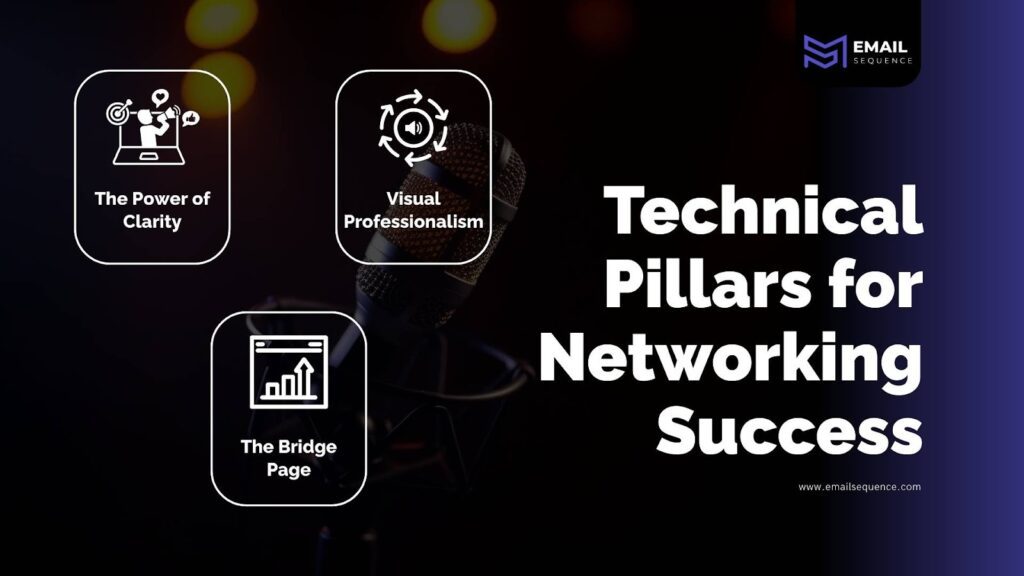
- The Power of Clarity: High-quality audio is non-negotiable. Beyond that, providing podcast transcription SEO is vital. A transcript makes your guest’s insights discoverable by search engines, extending the life and reach of the content. It shows you are invested in amplifying their message.
- Visual Professionalism: Your guests are more likely to share content that makes them look good. Invest in high-quality audio and video assets. Create shareable clips, audiograms, and professional graphics. This makes it easy for your network to cross-promote the episode.
- The Bridge Page: Go a step further by creating a custom landing page on your website for each guest. This page can host the episode, the transcript, key takeaways, and links to the guest’s own resources. It is a powerful gesture that fosters deeper industry relationships and shows a high level of support.
Measuring the Success of Your Networking
To prove the value of your podcast networking, you must track the right key performance indicators (KPIs). These metrics go beyond simple download numbers.
Focus on Relationship Depth. Track the “Next-Step Actions” that occur after an episode. Did the guest introduce you to a potential partner? Did they become a client? Did you collaborate on a new project?
Leverage Podcast Analytics to drive data-driven growth. When you pitch potential collaborators, use your audience demographics and reach data to build trust. Show them you have an engaged audience that they will want to access.
Finally, measure the Referral Loop. Track how many guests become advocates for your brand or refer other creators and industry leaders to be on your show. This is a clear indicator that your podcast is building a strong, self-sustaining community.
Overcoming the “Creative Control” Gap
Many podcasters consider joining established podcast networks for marketing support and access to sponsors. However, for B2B brands focused on relationship building, this can be a mistake. Signing a contract often involves giving up a degree of creative control and can come with restrictive contractual obligations.
Sovereign networking is the answer. B2B brands should own their “network” rather than signing with a third party. This ensures that every connection you make and every piece of original content you produce is perfectly aligned with your brand. You maintain full control over your message and your relationships, guaranteeing that every podcast networking effort strengthens your professional standing and business objectives.
Conclusion
Podcast networking has emerged as a game-changer for B2B relationship building. By focusing on strategic conversations, fostering authentic industry connections, and leveraging high-quality production, you set your brand apart as a leader. This blog post has outlined proven frameworks, technical strategies, and actionable steps to guide you from your first episode to a thriving network of high-value relationships. The secret is no longer just broadcasting, but truly engaging with partners, prospects, and influencers to drive business growth.
Take action now, start your podcast networking journey, and position your brand at the epicenter of your industry. Build connections, elevate your authority, and watch the ripple effect of podcast networking transform every area of your business with an email sequence. The microphone is yours, so let your network grow!
Frequently Asked Questions (FAQs)
What is podcast networking in B2B?
Podcast networking in B2B is the strategic use of podcasts to build professional relationships, connect with industry leaders, and establish authority. It focuses on creating meaningful connections rather than just broadcasting content.
How can podcast networking help my business?
Podcast networking helps businesses by fostering relationships with prospects, partners, and influencers. It enhances brand visibility, builds credibility, and creates opportunities for collaboration and growth.
What is the difference between podcast networks and podcast networking?
Podcast networks are centralized groups of shows for shared promotion and advertising. Podcast networking, on the other hand, is a decentralized strategy to build direct relationships and industry connections through podcasting.
Why is podcast transcription SEO important?
Podcast transcription SEO ensures your content is searchable and accessible. It helps your audience discover key insights from episodes, boosting visibility and engagement.
How do I measure the success of podcast networking?
Success is measured by relationship depth, next-step actions (e.g., referrals or collaborations), podcast analytics, and the number of guests who advocate for your brand.