New Year Email Copy: The 2026 Strategy Guide
January 1st serves as the most expensive day to be generic. Your customers’ inboxes overflow with identical “Happy New Year” subject lines. Most brands blend into the noise. They send weak, template-based emails that offer nothing but a generic greeting. This approach wastes a critical psychological moment.
You must shift your strategy. Do not be another voice in the chorus of sameness. Instead, move from the “Holiday Sell-Hard” persona of December to a “New Year Guide” persona in January.
Your audience craves direction. They feel the weight of the year ahead. They want to improve, organize, or change. Your new year email copy must provide a blend of emotional intelligence and tactical execution. You must offer a fresh start that feels attainable. By positioning your brand as a partner in their success, you capture attention when it matters most.
Competitive Gap Analysis: Why Most New Year Copy Fails
The “Template Trap”
Generic messages fail to convert. Data-driven insights show that standard happy new year emails see a 30% lower click-through rate (CTR) compared to average campaigns. Why does this happen? The content lacks value. A simple holiday greeting does not compel a user to click. It does not solve a problem. It merely occupies space.
The Missing Link in Holiday Transitions
Most marketing guides ignore holiday transitions. They fail to explain how to bridge the gap between “Buy this gift for someone else” and “Invest in yourself.” This abrupt shift confuses the reader. You need a smoother transition.
Filling the Gap
Your 2026 strategy must focus on “Resolution Fatigue.” Many people feel pressure to make massive changes. If your copy adds to that pressure, they will disengage. Instead, write copy that feels like a solution. Frame your product as a tool to ease their burden. Position your offer as a way to achieve new achievements without the stress.
The Psychology of the “Fresh Start Effect”
Defining the Landmark
Temporal landmarks, like New Year’s Day, reset the brain’s motivation levels. People separate their “past self” from their “future self.” This mental accounting creates a surge in aspiration. You must leverage this “Fresh Start Effect” in your January campaigns.
Seasonal Copy Triggers
Audit: Assessing the Past Year
Help your reader reflect. Encourage them to look at the past year. What worked? What did not? Acknowledge their journey. This builds an emotional connection before you ask for a sale.
Aspiration: Painting the “Future Self” Picture
Show them who they can become. Use language that focuses on the future, hope, and new horizons. Paint a vivid picture of the year filled with success and joy.
Alignment: How Your Product Fits
Demonstrate alignment. Show exactly how your brand supports their new identity. If they want business growth, show them the tools. If they want more memories with loved ones, show them how you facilitate that.
Master Table: New Year Email Copy Frameworks
Do not guess what to write. Use these proven frameworks to structure your new year messaging.
| Email Type | Goal | Core Messaging Hook | Best CTA |
| The Reflection | Brand Loyalty | “Look at everything we did together in 2025. What a remarkable year.” | Read Our Story |
| The Solution | Conversion | “Your New Year’s resolutions are tough. Here is the tool to keep them.” | Start My Journey |
| The Re-engagement | List Hygiene | “New year, new preferences. Still want to hear from us?” | Update My Info |
| The Anti-Resolution | Relatability | “Forget the pressure. Let us focus on small wins and happiness.” | Take It Easy |
| The Inventory Clearout | Sales/Revenue | “New year, new stock. Grab these last-chance items before the ball drops.” | Shop the Vault |
The Reflection Framework
This framework targets loyal customers. It highlights the shared journey. Remind them of their success with your brand. A sincere appreciation email goes a long way.
The Solution Framework
This targets the year’s resolutions. Acknowledge that resolutions are hard. Position your product as the bridge between intent and action.
Crafting the “Holiday Transition” (The Bridge Strategy)
The “Cooldown” Period (Dec 26 – Dec 31)
The days between Merry Christmas and New Year’s Eve are a “limbo” period. Do not push hard sales here. Focus on warm wishes and sincere appreciation. Send a year message that reflects on the year marks. This is the perfect time to thank valued customers for their continued support.
The “Launch” Period (January 1 – January 7)
Once the year begins, shift gears. This is your Year-Start Strategy. Move from gratitude to action. Your copy should shift from “Urgency” (buy now before Christmas) to “Agency” (take control of your year). Use active voice to empower the reader.
Seasonal Copy Nuances
Understand the mood. People are tired of consumerism. They want meaning. Shift your language. Instead of “Buy now,” use “Start fresh.” Instead of “Get this deal,” use “New opportunities await.”
Data-Driven Insights: Annual Reviews & List Trends
Annual Email Review
You cannot improve what you do not measure. Conduct an Annual Email Review of your previous year’s performance. Which subject line achieved the best open rate? Did your happy holidays email perform better than your New Year greetings? Use this data to inform your 2026 copy.
2026 Email List Trends
2026 Email List Trends highlight the rise of plain-text emails, self-care themes, and minimalistic designs, reshaping how brands engage with their audience.
Plain Text is Rising
High-authority, plain-text emails are dominating. They feel personal, like a note from a friend. They cut through the clutter of image-heavy promotions.
Self-Care and Minimalism
“Self-Care” and “Minimalism” are dominating design-copy synergy. People want less clutter. Ensure your wi fi signal is not the only strong thing; your clarity must be strong too. Keep designs simple. Focus on text that makes the customer feel valued.
Subject Line Laboratory: 2026 Editions
Your subject line determines if your New Year’s message gets read.
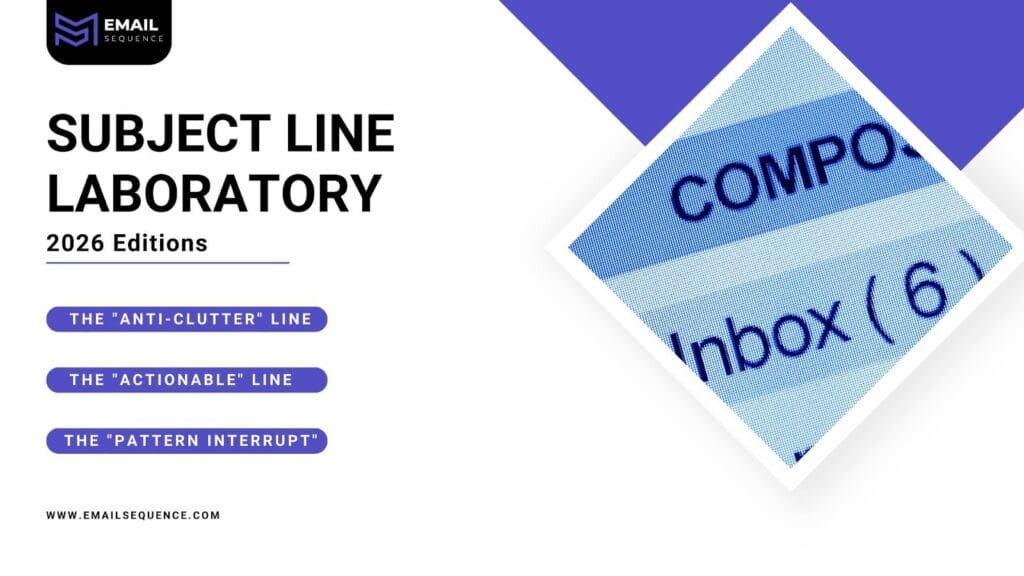
The “Anti-Clutter” Line
- “Let us make 2026 simpler.”
- “A fresh start for your inbox.”
The “Actionable” Line
- “3 steps to your [Goal] start now.”
- “Your exclusive offer expires when the year begins.”
The “Pattern Interrupt”
- “Do not set a New Year’s Resolution.”
- “Why Sarah Ban Breathnach was right about January.” (Using specific references creates curiosity).
Conclusion: Building Momentum Beyond January
The 90-Day View
A fantastic year does not happen in one week. Your New Year copy needs to lead into a Q1 strategy. Do not let the momentum die on New Year’s Day. Plan a sequence that guides the user through February and March.
Final Action Tip
Segment your list immediately. Identify who opened your new year email copy. These are your “High-Intent” users. Tag them. Send them a special bundle or exclusive discount in mid-January. They have signaled interest. Reward them with an email sequence.
By focusing on value, psychology, and strategic transitions, you ensure continued success for your brand. Wishing you a profitable and rewarding year. Wait for nothing. The moment is now.
Frequently Asked Question
What is New Year Email Copy?
New Year Email Copy refers to strategically crafted email content designed to engage customers during the New Year period. It focuses on themes like fresh starts, resolutions, and holiday transitions to drive clicks and conversions.
How can I make my New Year Email Copy stand out?
Focus on personalization, emotional connection, and actionable CTAs. Use themes like “fresh start” and “new opportunities” while avoiding generic greetings like “Happy New Year.”
What are the best subject lines for New Year Email Copy?
Effective subject lines include:
- “Start 2026 with a Fresh Opportunity”
- “Your New Year, Your Next Big Step”
- “Exclusive New Year Offers Await!”
Why is New Year’s Email Copy important for January campaigns?
It leverages the “Fresh Start Effect,” motivating customers to act on resolutions and goals. Well-crafted copy can boost engagement and set the tone for Q1 success.
What should I include in the New Year Email Copy?
Incorporate reflection on the past year, aspirations for the year ahead, and how your product or service aligns with their goals. Use clear CTAs like “Start My Journey” or “Explore New Opportunities.”