Your cold email follow-up acts as a structured system designed to increase reply rates through timing and value addition. You must understand that most replies originate from subsequent messages rather than your initial outreach. Success relies heavily on your follow-up sequence design and deliverability logic. Proper execution guarantees a massive response rate boost for your […]
How to Personalize Cold Emails at Scale: The 2026 “Relevant Scale” Playbook
To personalize cold emails effectively, focus on leveraging high-intent signals like funding announcements, hiring trends, or tech-stack changes. Use data enrichment tools to gather actionable insights and craft emails that address specific pain points or opportunities. Avoid generic templates by incorporating dynamic content and custom variables tailored to the recipient’s current context. Signal-based personalization ensures […]
How to Find Email Addresses for Cold Outreach Success
To successfully find email addresses for cold outreach, you must combine manual research with automated software. You can leverage email finder tools alongside pattern-based discovery to uncover the exact contact details of your target prospects. Accurate prospecting research ensures you locate verified emails that improve your deliverability and response rates. Poor email sourcing quickly leads […]
Deliverability Metrics: The 2026 Playbook
Deliverability metrics are essential for ensuring your emails reach the intended audience’s inbox. Key metrics like Inbox Placement Rate (IPR), DMARC alignment, and spam complaint rates directly impact email performance. IPR measures how many emails land in the primary inbox, while DMARC alignment ensures authentication to prevent spoofing. Monitoring spam complaint rates helps maintain a […]
Mastering Cold Email Writing for Better Responses in 2026
Cold email writing that gets responses is not about selling, it’s about starting a relevant conversation. High-performing emails focus on targeting the right prospects, delivering clear value, and keeping the message concise and personalized. The most effective emails follow a simple structure: a personalized opening, a clear problem or insight, and a low-friction call to […]
How to Reduce Spam Complaints and Protect Your Reputation?
To reduce spam complaints, you must go beyond basic email tactics and focus heavily on subscriber expectations and list quality. High complaint rates occur when recipients feel your emails are irrelevant, unexpected, or excessive. Effective complaint prevention requires implementing robust systems like double opt-in verification, feedback loops, accurate segmentation, and clear unsubscribe mechanisms. Maintaining a […]
2026 Email Validation Services Strategy
To secure inbox placement in 2026, integrate email validation directly into your signup forms to block invalid data at the source. Run bulk list scrubs before major campaigns to maintain a bounce rate below 0.5 percent. Schedule quarterly backend verification to remove stale accounts and identify risky catch-all domains. By treating list hygiene as a […]
How to Set Up Email Authentication: A Complete Guide
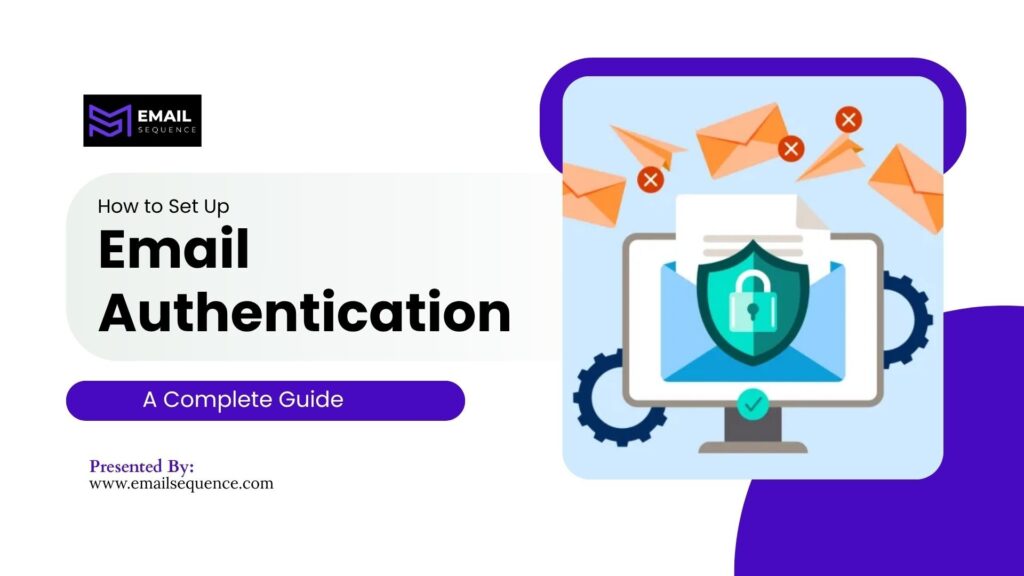
Email authentication verifies that your emails legitimately originate from your domain and remain unaltered during transit. It relies on three core authentication protocols—SPF, DKIM, and DMARC—which work together to protect your domain, improve email security, and increase inbox placement. Setting up authentication involves configuring DNS records to validate sending servers, sign messages, and define handling […]
Email Blacklist Removal: Restore Deliverability Fast
Email blacklist removal is the process of delisting your domain or IP from databases that flag it as a spam source. To achieve this, identify the specific blacklist using tools like MxToolbox, stop all outbound emails temporarily, and fix underlying issues such as SPF, DKIM, or DMARC misalignments. Submit a professional delisting request with evidence […]
How to Monitor Email Sender Reputation?
To effectively monitor your sender reputation, you must track key metrics like bounce rates, spam complaints, and engagement levels. Use specialized tools such as Google Postmaster Tools for Gmail-specific data and third-party blacklist monitoring platforms to check your status across various blacklists. Consistent deliverability tracking allows you to spot issues early and take corrective action. […]