Email bounces occur when emails fail to reach recipients’ inboxes, impacting sender reputation and email deliverability. Hard bounces result from invalid or non-existent addresses and require immediate suppression, while soft bounces stem from temporary issues such as full inboxes or server errors. To minimize email bounces, validate email addresses at signup, implement double opt-in processes, […]
Email List Cleaning: A Guide for Better Deliverability
Email list cleaning is the process of removing invalid, inactive subscribers, and unengaged users to improve deliverability and engagement. A clean list reduces bounce rates, spam complaints, and sender reputation damage, ensuring your emails land in the inbox instead of the spam folder. Effective list hygiene involves identifying hard bounces, segmenting inactive users, running re-engagement […]
DMARC Policy Implementation: 2026 Step-by-Step Guide
DMARC (Domain-based Message Authentication, Reporting, and Conformance) enhances email security by preventing domain spoofing and phishing. It aligns SPF and DKIM protocols with the “From” domain, ensuring only authorized senders can use your domain. DMARC improves email deliverability, protects your brand reputation, and blocks unauthorized emails with strict policies like “p=reject.” This protocol is essential […]
Your Guide to DKIM Configuration for Better Deliverability
DKIM configuration involves several key steps to improve your email deliverability. First, generate a public-private key pair through your email service provider. Next, add the public key as a TXT record to your domain’s DNS settings. Finally, enable email signing on your sending platform. This authentication setup allows receiving mail servers to verify that your […]
How to Improve Email Deliverability in 2026
To improve email deliverability in 2026, authenticate emails with SPF, DKIM, and DMARC protocols, maintain a spam complaint rate under 0.1%, and align your “From” address with authentication domains. Boost engagement by encouraging replies and clicks, and clean your list by suppressing inactive users. Double opt-in prevents spam traps, ensuring better inbox placement and campaign […]
How to Set Up SPF Records for Email
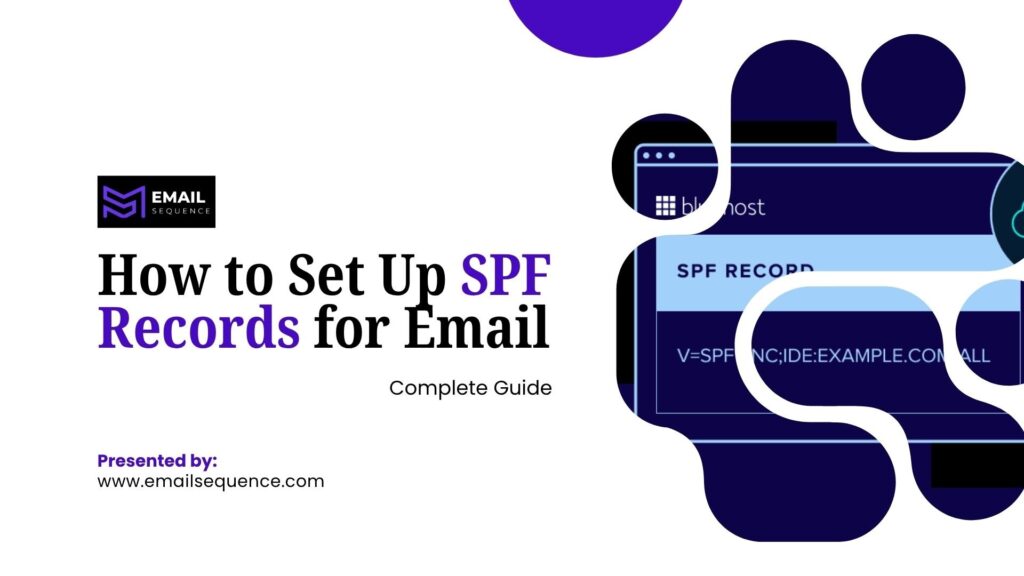
SPF records are essential for email authentication, allowing domain owners to specify which servers possess authorization to send emails on their behalf. Setting up a Sender Policy Framework (SPF) record involves creating a DNS TXT entry that lists approved sending sources. This process ensures proper domain verification and improves inbox placement. A correctly configured SPF […]
How to Avoid the Spam Folder: Deliverability Guide
To avoid spam folder placement, you must understand how email providers filter messages. Emails land in spam due to poor email reputation, behavioral triggers, and low user engagement. Mastering spam prevention requires a structured approach rather than random guesswork. By implementing deliverability best practices, you can avoid the spam folder and ensure your messages consistently […]
Email Split Testing: Deep-Funnel Optimization for 2026
Effective email split testing requires moving beyond basic subject line tweaks to focus on deep-funnel optimization. To maximize your revenue and return on investment, you must test high-impact variables that drive actual conversions. These include your offer hierarchy, sender persona, email layout, and behavioral triggers. By analyzing post-click performance and full-funnel attribution, you ensure your […]
Social Proof Emails: The 2026 Strategy to Boost Conversions
Social proof emails use verifiable human evidence like customer testimonials, user-generated content, and case studies to build instant trust and overcome buyer skepticism. In 2026, combating the AI-generated trust deficit requires placing traceable credibility markers directly inside your email marketing campaigns. By mapping specific trust signals to the appropriate stages of your sales funnel, you […]
Email Content Calendar: Step-by-Step Campaign Planning Guide
An email content calendar is a strategic framework that maps out exactly what messages you send to your subscribers and when you send them. It acts as the ultimate blueprint for campaign planning. A well-structured calendar ensures consistent content scheduling and optimizes your email timing for maximum open rates. By prioritizing campaign organization, you eliminate […]