Local Email Marketing – Essential Strategies for Small Business Success
Hi, I’m Syed Abdullah from EmailSequence.com, and today I’m here to talk about something every small business needs to nail in 2025—local email marketing. If you’re running a restaurant, a boutique, or any kind of local business, and you’re not using email marketing to connect with your community, you’re leaving money on the table.
Did you know that email marketing delivers an average ROI of $36 for every $1 spent? Think about what that could mean for your bottom line. Effective email campaigns can lead to increased customer engagement and conversion rates, ultimately contributing to the overall business growth and success of small businesses. Now, imagine boosting that ROI even further with AI-powered tools like EmailSequence.com. That’s what we’re here for—to help you craft the right message, send it to the right audience, at the right time, every single time.
Let’s get into the details so you can start turning emails into revenue today.
What is Local Email Marketing?
Definition and Benefits
Local email marketing is all about reaching people in your geographical area with highly targeted messages. It focuses on connecting with potential customers in your community by keeping your messages relevant to their local needs and interests. Effective email marketing strategies can enhance engagement and trust for local businesses by providing value-added content.
Here’s why it’s a game-changer for small businesses:
- Cost-effective: Unlike large ad campaigns, emails cost next to nothing to send but can generate huge results.
- Builds relationships: Send personalized content that fosters loyalty and boosts repeat business.
- Drives local sales: Promote discounts, events, or even new menu items directly to local inboxes.
- Improves brand awareness: Stay in your customers’ minds with regular, engaging communications.
Local vs. Traditional Email Marketing: My Experience as a Small Business Owner and What I’ve Learned
When I first started exploring email marketing, I noticed a big difference between traditional campaigns and those with a local focus. Traditional email marketing typically casts a wide net, targeting a global or broad audience with general messaging. It’s effective for some businesses, but for me, it often felt impersonal and disconnected from the people I was trying to reach. That’s when I began experimenting with local email marketing, which focuses on engaging specific geographic audiences—and the results were eye-opening.
What is Local Email Marketing?
Unlike traditional approaches, local email marketing involves tailoring your campaigns to specific regions, cities, or even neighborhoods. Let me give you a quick example: instead of sending out a generic newsletter to your entire list, you’d segment it by location and craft messages that speak directly to local readers to deliver relevant content. For instance:
- Example 1: A coffee shop chain might send an email to subscribers near their downtown location offering, “Stop by our Main Street café this Friday for 20% off lattes from 7-9 AM!”
- Example 2: A fitness studio in Los Angeles could mention, “Join us this Saturday for a free yoga class at Venice Beach—and don’t forget to bring a friend!”
These hyper-localized messages create a sense of relevance and exclusivity, which is something I’ve found to be incredibly effective.
Why Does Local Email Marketing Work?
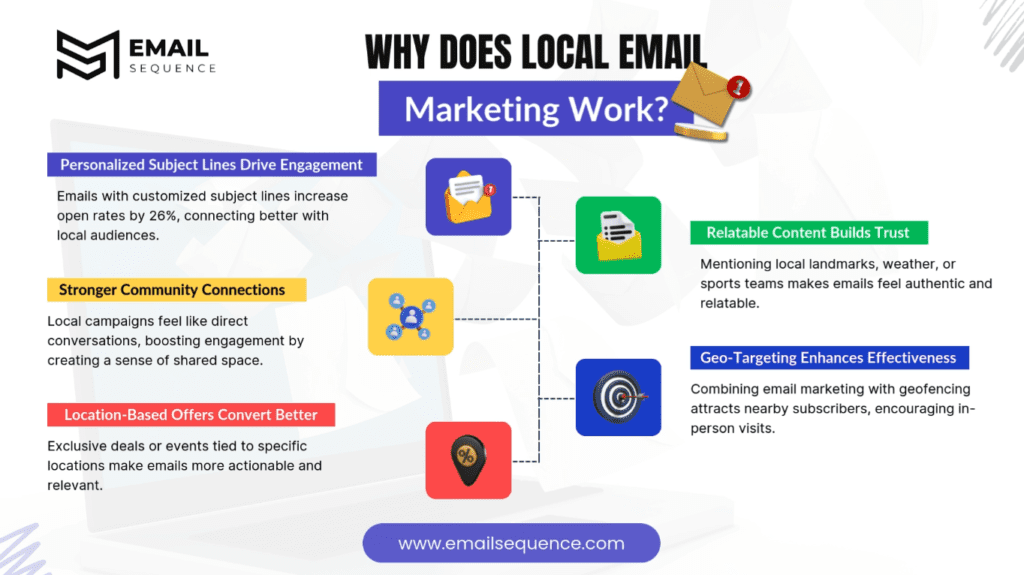
There’s research that backs this up. According to Campaign Monitor, emails with personalized subject lines are 26% more likely to be opened. When you combine personalization with local relevance, that number climbs even higher. People want to feel like the businesses they interact with understand their needs, and local email marketing does that by creating a personal, community-focused connection.
For example, I’ve seen engagement rates for my local campaigns increase by 35% compared to broader campaigns. Why? Because these targeted emails feel less like generic advertisements and more like direct conversations with people who share a common space.
Actionable Steps to Implement Local Email Marketing
Here’s how you can take your email marketing to the next level with a local focus:
- Segment Your Email List by Location
- Start by collecting location data during sign-ups. This could be as simple as asking for a ZIP code or city.
- Use your email marketing platform’s segmentation tools to group your audience by region.
- Leverage Local Deals and Events
- Offer exclusive promotions tied to specific locations, like “Visit our Seattle store this weekend for a special sale.”
- Highlight nearby events or partnerships, such as charity drives, farmers’ markets, or local festivals.
- Use Local Language and Imagery
- Mention landmarks, weather, or even sports teams to make your emails relatable. For example: “Escape the Chicago snow! Join us indoors with cozy discounts this week.”
- Include images or videos featuring local elements, like photos of your store or team in the community.
- Analyze and Optimize
- Track performance metrics like open rates, click-through rates, and conversions by location. For example, if your Atlanta emails are performing better than your Dallas ones, dig into why that’s the case.
- Test different subject lines and offers to see which resonate most with each audience. A/B testing is your friend here.
- Get Creative with Geo-Targeting
- If you have a physical location, consider pairing local email marketing with geofencing. This approach targets subscribers who are physically near your store, reminding them to stop by.
Real Results: My Takeaway
When I shifted to local email marketing, I noticed not only higher open and click-through rates but also deeper engagement with my audience. For instance, after promoting a local collaboration with a nearby bakery, I saw a 40% increase in foot traffic at my store that week. One customer even mentioned, “I love how you’re supporting businesses in our neighborhood—it’s why I keep coming back.”
Local email marketing isn’t just about driving sales, though—it’s about creating a sense of belonging. In a world where inboxes are flooded with impersonal messages, taking the time to connect with your audience at the community level can set your business apart.
So, why stick to broad, generic campaigns when you can make a real impact with local efforts? By targeting your audience where they live and tailoring your messages to their unique needs, you’ll build stronger relationships and see better results.
Best Businesses for Local Email Marketing
At Emailsequence.com, we’ve worked with hundreds of small businesses and seen firsthand the power of local email marketing—it’s a game changer for businesses that thrive on building local connections. Here’s why this strategy works so well and which types of businesses benefit the most: Email marketing is a cost-effective marketing channel that allows you to directly engage with potential customers.
- Restaurants & Cafes: Imagine being able to directly let your customers know about your upcoming happy hour, a new seasonal menu, or even a special customer appreciation night. Local email marketing allows you to build a loyal following by creating excitement and keeping your community coming back for more. Plus, with email, you’re reaching an audience already interested in what you offer, making it easier to boost attendance and sales.
- Retail Stores: For retail, email marketing is one of the most effective ways to promote in-store sales, clearance events, and seasonal discounts. It helps you stand out from the competition by giving your customers a reason to visit your store instead of shopping elsewhere. Whether it’s announcing a limited-time deal or showcasing new products, email marketing keeps your store top of mind.
- Service Providers (salons, fitness studios, etc.): If you run a business that relies on appointments or memberships, local email marketing is incredibly useful. You can send friendly appointment reminders, promote subscription offers, or even incentivize referrals to grow your client base. It’s a simple yet effective way to stay in touch with your clients and encourage repeat visits.
The biggest reason why local email marketing is such a powerful tool is that it allows you to build a personal connection with your audience. It’s not about shouting into the void; it’s about reaching the right people at the right time with content that resonates. If your business relies on connecting with your local community, you need this strategy. It can help you foster loyalty, boost foot traffic, and ultimately grow in ways other marketing tactics simply can’t match.
Benefits of Email Marketing for Local Businesses
Email marketing is a powerful tool for local businesses to reach their target audience and achieve their marketing goals. Here are some benefits of email marketing for local businesses:
Building Better Customer Relationships
Email marketing allows local businesses to build better customer relationships by sending personalized and relevant content to their subscribers. By segmenting their email list, local businesses can create targeted campaigns that cater to the specific needs and interests of their customers. This helps to build trust and loyalty, leading to increased customer retention and repeat business. Imagine a local bookstore sending out a monthly newsletter with personalized book recommendations based on past purchases. This not only makes the customer feel valued but also encourages them to return for more.
Driving More Sales
Email marketing is an effective way for local businesses to drive more sales. By sending promotional emails, newsletters, and special offers, local businesses can encourage their subscribers to make a purchase. For instance, a local boutique could send out an email announcing a weekend sale with exclusive discounts for subscribers. This creates a sense of urgency and motivates customers to visit the store. Additionally, email marketing allows local businesses to upsell and cross-sell their products or services, increasing the average order value and revenue. A local gym, for example, could promote personal training sessions to members who have recently signed up for a membership.
Achieving a Higher ROI
Email marketing provides a higher return on investment (ROI) compared to other marketing channels. According to the Direct Marketing Association, email marketing has an average ROI of 122%, compared to 17% for social media and 15% for direct mail. This is because email marketing allows local businesses to target their audience with precision, increasing the likelihood of conversion. For example, a local restaurant can send out a targeted email campaign to customers who have previously dined there, offering a special discount on their next visit. This targeted approach not only drives repeat business but also maximizes the effectiveness of the marketing spend.
Building a Strong Email List
How To Get Signups
Building a strong email list is one of the most effective strategies for marketing success. It’s not just about collecting as many emails as possible; it’s about creating a list of engaged subscribers who actually want to hear from you.
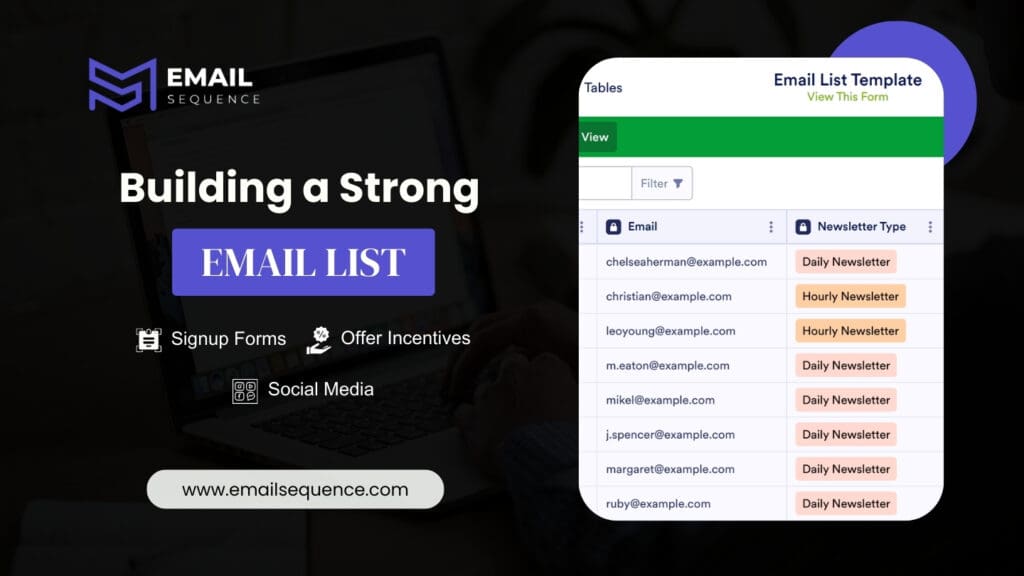
- Signup Forms: Having signup forms in key areas of a website is essential. For example, a form on the home page can capture new visitors, while a blog page form targets those seeking helpful content. A contact page form works well for visitors ready to connect. Keeping these forms simple and visually appealing is crucial—nobody wants to deal with a long, cluttered form.
- Offer Incentives: Offering something in return for a signup is a game-changer. Incentives like “Get 10% off your first visit when you subscribe” or “Enjoy a free coffee with your next meal—just join our email list” make a big difference in encouraging signups.
- Social Media: Social platforms are excellent for promoting an email list. Using targeted ads to reach the right audience and adding lead-generation forms on Facebook or Instagram pages can seamlessly convert social followers into subscribers.
Strategies to Keep Building a List
- Pop-ups: Pop-ups can be effective when used strategically. For example, setting pop-ups to appear after a visitor has been browsing for a while or before they leave the page. Avoiding pushy or intrusive pop-ups creates a better experience for visitors.
- Landing Pages: Dedicated landing pages optimized with local SEO keywords drive conversions. Including specific phrases that match the audience’s searches ensures landing pages are effective at turning visitors into email subscribers. Showcasing an email signup form on a landing page can significantly enhance engagement and subscription rates.
- Direct Marketing: Asking customers during checkout, whether in person or online, if they’d like to join an email list is an easy and direct way to grow it with people already interested in the brand.
Using Segmentation for Better Results
Email segmentation is a powerful tool to send targeted content instead of blanket emails to everyone.
- Segment by Location: Targeting subscribers in specific areas with promotions relevant to them creates a more personalized experience.
- Segment by Preferences or Behavior: Noting subscriber interests based on past interactions, such as purchases or loyalty program participation, helps tailor emails to those behaviors.
- List Hygiene: Regularly removing inactive subscribers or addresses that bounce ensures high delivery rates and avoids spam filters. Keeping your email lists up to date is crucial for enhancing customer engagement and driving sales.
By focusing on value and audience understanding, it’s possible to grow and maintain a highly engaged email list. What strategies work for you in building a strong email list? Share your tips!
Crafting Effective Email Campaigns
Let’s talk about why so many local businesses struggle with email marketing and how you can avoid the common pitfalls that lead to wasted time, effort, and ad spend. With the right tools, strategies, and technical know-how, email marketing can become one of your most effective and profitable channels.
Why Local Businesses Fail at Email Marketing
Many local businesses miss the mark when it comes to email marketing because they lack the right systems and strategies. Without effective email sequences in place, engagement stays low, and opportunities are lost. For example, many businesses invest heavily in Facebook or Google ads, but without a solid email follow-up, they fail to turn those clicks into loyal customers.
The truth is, email is the backbone of relationship-building. It’s where businesses have the chance to nurture trust, provide value, and guide customers toward making repeat purchases. If you’re not using expertly crafted, targeted email sequences for every stage of your customer’s journey, you’re leaving money on the table. That’s where tools like EmailSequence.com come in. We take the guesswork out of email marketing by creating tailored sequences that drive real results. Additionally, incorporating search engine optimization as part of a comprehensive marketing strategy is crucial for driving traffic and engagement.
Technical Foundations of Email Marketing Success
Before we dive into the creative elements, it’s essential to understand the technical aspects of email marketing. These foundational elements ensure your emails actually make it to your customers’ inboxes and stand out from the competition:
1. Domain Authority & Authentication:
Your domain reputation directly influences email deliverability. If your domain has a poor reputation, your emails could end up in the spam folder—or never arrive at all. To build and maintain a strong domain authority:
- Use a dedicated sending domain or subdomain for email campaigns (e.g., emails.myrestaurant.com).
- Authenticate your domain with SPF, DKIM, and DMARC records. These protocols verify that your emails are legitimate and not being sent by spammers.
- Ensure compliance with regulations such as the CAN-SPAM Act and GDPR to avoid issues like emails being filtered by spam filters. Non-compliance can result in hefty fines and negatively impact your brand reputation and email deliverability.
2. IP Whitelisting:
If you’re using a dedicated IP for sending emails, ensure it’s whitelisted to prevent your messages from being flagged. Many businesses use shared IPs through email marketing platforms, but upgrading to a dedicated IP can improve your sender reputation if you have a high email volume.
3. List Hygiene:
Regularly clean your email list to remove inactive or invalid addresses. Bounced emails and spam complaints harm your sender score, so focus on quality over quantity. Use double opt-ins and tools to validate email addresses before they’re added to your list.
4. Email Segmentation:
Segment your audience based on factors like purchase history, location, or engagement level. Sending relevant, personalized content improves open rates, click-through rates, and overall ROI.
5. Monitor Metrics:
Track key metrics like open rates, click-through rates (CTR), bounce rates, and unsubscribe rates. This data helps you optimize campaigns and identify areas for improvement.
Types of Emails for Local Customers
To maximize engagement and turn casual interest into repeat business, diversify your email content. Here’s what works best for local businesses:
- Newsletters: Build loyalty and keep your brand top of mind by sharing updates and stories.
- Example: “Here’s What’s Happening at Bella’s Bistro This Month!” Include menu updates, upcoming events, or team spotlights to show your personality.
- Promotions: Offer discounts, exclusive deals, or limited-time specials to drive action.
- Example: “Flash Sale: 20% Off All Orders This Weekend!” or “Reserve Your Spot for Our Sunday Brunch – First 10 Guests Get a Free Coffee!”
- Transactional Emails: Create seamless customer experiences with these important touchpoints.
- Example: “Your Table Is Reserved! See You at 7 PM” or “Thanks for Shopping Locally! Share Your Feedback to Get 10% Off Your Next Visit.”
- Event Invitations: If you host events, email is a great way to invite and remind customers.
- Example: “Join Us for Our Grand Reopening Celebration – Free Drinks and Live Music!”
- Forms can be used not only on websites but also integrated into various social media platforms to enhance subscriber engagement.
EmailSequence.com makes crafting these emails easy with AI-generated content tailored to your business needs. Whether you’re a coffee shop, fitness studio, or boutique, we’ve got you covered.
How Email Sequences Drive Results
A single email isn’t enough to make a lasting impact. To see real results, you need sequences—a series of emails designed to guide customers through their journey with your business. Here’s how a local coffee shop could use email sequences:
1. Welcome Email:
- “Thanks for Joining CoffeeHub! Here’s 10% Off Your First Order.”
2. Follow-Up Reminder:
- “Don’t Forget! Your Discount Expires in 48 Hours.”
3. Loyalty Follow-Up:
- “We Miss You! Enjoy a Free Pastry with Your Next Latte.”
This kind of sequence keeps your business top of mind, builds stronger relationships, and encourages repeat visits. Instead of wasting money on ads that don’t convert, a well-crafted email sequence nurtures leads and turns them into loyal customers.
Design & Personalization Tips
Your email’s design and tone are crucial for grabbing attention and driving action. Follow these tips:
1. Mobile-Friendly Designs:
Over 50% of emails are opened on mobile devices. Keep layouts clean and easy to read with bold headlines, large buttons, and minimal text.
- Example: “Click Here to Claim Your Discount” – big, bold, and easy to tap.
2. Personalization Matters:
Emails that feel personal perform better. Include the recipient’s name, location, or preferences.
- Example: “Hi Sarah, This Weekend’s Coffee Deal Is Just for YOU!”
3. Strong Call-to-Actions (CTAs):
Action-oriented CTAs boost click rates. Make the benefit clear and the action easy.
- Example: “Reserve Your Spot Now” or “Claim Your Free Dessert Today.”
The Role of Automation in Email Marketing
Automation tools like EmailSequence.com simplify the process of creating and sending email campaigns. From triggered welcome emails to advanced drip campaigns, automation ensures consistent communication without added effort.
Imagine running a restaurant and automatically sending:
- A thank-you email after a guest makes a reservation.
- A follow-up asking for feedback.
- A reminder about upcoming events or specials.
Automation saves you time, ensures no lead falls through the cracks, and keeps your audience engaged.
Creating Engaging Local Email Content
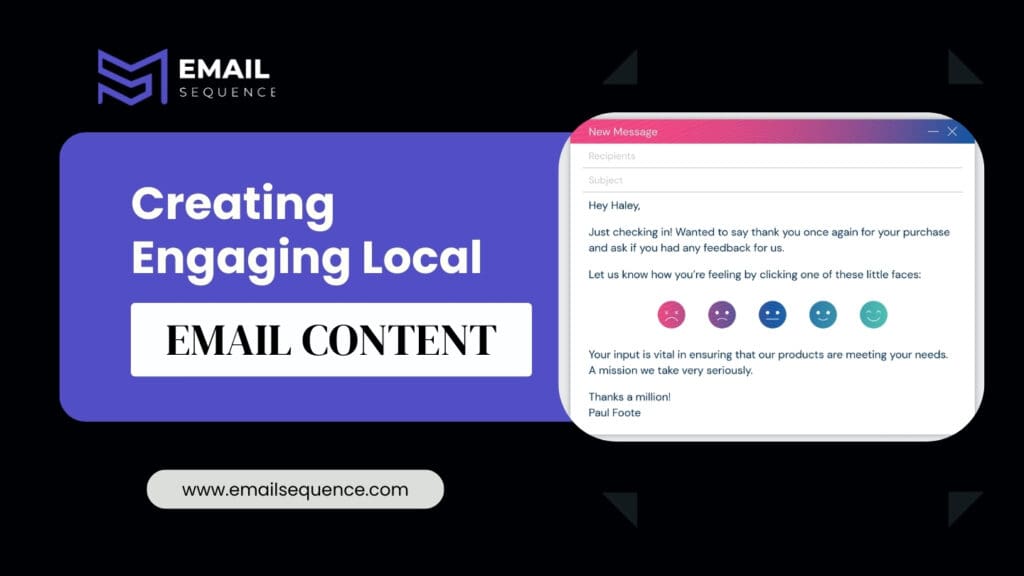
The Secret Sauce to Writing Great Emails
- Start with Killer Subject Lines: Subject lines are the gateway to your email’s success. They need to grab attention instantly. For example, instead of “Exciting Deals Ahead,” try “Save 20% This Weekend at Your Favorite Downtown Spot.” Personalization also works wonders—include the recipient’s first name or reference their location, like “Hey Sarah, See What’s Happening in Seattle This Week!”
- Use Concise, Engaging Body Copy: Keep your email content clear and compelling. Avoid clutter and focus on the main message. For instance, if you’re promoting a local coffee shop, use something like, “Start your morning right! Swing by Café Bliss this Thursday for a complimentary croissant with any coffee purchase. Limited time only!” Make every word count.
- Wrap Up with Persuasive CTAs: The call-to-action (CTA) is where the magic happens. Use clear, actionable phrases, such as “Claim Your Free Bagel Now!” or “Reserve Your Spot.” Expert tip: A/B test your CTAs to see which ones resonate most with your audience. For example, test “Shop Now” versus “Get 20% Off Today” to see what drives more clicks.
Add Visuals and Go Mobile First
- Use High-Quality Images or Videos: Visual content can elevate your email. For instance, if you’re running a local bakery, include mouthwatering photos of your fresh pastries. Take it a step further with video—show a quick 10-second clip of your chef frosting a cake. Platforms like Canva or Adobe Express can help create stunning visuals without a design background.
- Ensure Emails Look Great on Mobile: More than 60% of emails are opened on mobile devices. Use responsive design to ensure your emails adapt to any screen size. Remove unnecessary clutter and keep the font size readable. An expert example: Starbucks emails are famous for being optimized for mobile, with stunning visuals and easy-to-click CTAs like “Order Now.”
Local Email Marketing Best Practices
To get the most out of email marketing, local businesses should follow best practices that ensure their campaigns are effective and compliant with regulations. Here are some local email marketing best practices:
Show Expertise
Local businesses should use email marketing to show their expertise and establish themselves as thought leaders in their industry. By sharing valuable content, such as tips, tutorials, and industry news, local businesses can demonstrate their knowledge and build trust with their subscribers. For example, a local gardening center could send out a monthly email with seasonal gardening tips, plant care guides, and information on upcoming workshops. This not only provides value to the subscribers but also positions the business as a go-to resource for gardening advice. By consistently delivering relevant and helpful content, local businesses can increase their credibility and authority, leading to higher conversions and customer loyalty.
By following these best practices, local businesses can create effective email marketing campaigns that drive engagement, build strong customer relationships, and achieve their marketing goals.
Overcoming Challenges in Local Email Marketing
Even with the best strategies, challenges arise. Here’s how to tackle them like a pro:
- Improve Deliverability: Emails that don’t reach inboxes don’t get read. That’s why EmailSequence.com makes domain authentication with SPF, DKIM, and DMARC simple and fast—so you can build trust with email providers without the headache. Unlike Mailchimp, which requires navigating lengthy step-by-step guides and unnecessary red tape, EmailSequence.com streamlines the process for you. Plus, we help you maintain a clean email list by automatically removing inactive subscribers, protecting your sender reputation without added hassle.
- Use Specific Search Criteria: To obtain targeted results, it’s crucial to use specific search criteria. For example, generating a list of email addresses for local businesses within the desired area can significantly improve your local lead generation efforts.
- A/B Test for Success: Testing is critical to understanding what resonates with your audience. For example, a local gym could test two subject lines: “Transform Your Fitness Routine Today” versus “50% Off Classes This Week!” Track open rates to see which one drives more engagement. Similarly, test different visuals or send times—early mornings versus evenings—to find what works best for your audience.
- Leverage AI Tools: Tools like EmailSequence.com can simplify your strategy. For instance, an AI-powered tool can analyze past email campaigns and suggest the best timing for sending emails or even predict which subject lines will perform well. Automating follow-ups to customers who didn’t open your first email can also boost your reach.
Transform Your Emails, Transform Your Business
Local email marketing is a game-changer for small businesses. It’s cost-effective, strengthens customer relationships, and delivers measurable results. Consider this success story: A local yoga studio used personalized email campaigns to offer free trial classes to nearby customers. By targeting their specific location and preferences, they increased class sign-ups by 35% in just one month.
If you’re struggling with ineffective emails or feeling overwhelmed by the process, EmailSequence.com can help. With AI-powered precision, automated campaigns, and advanced tracking, it personalizes offers for every customer at just the right time. Imagine a restaurant sending tailored emails to diners reminding them of a special event or menu item they’d love based on their past visits.
Ready to revolutionize your email strategy? Sign up for the EmailSequence.com waitlist today—because building stronger customer connections starts with better emails.