How to Do Email Marketing: A Beginner’s Guide
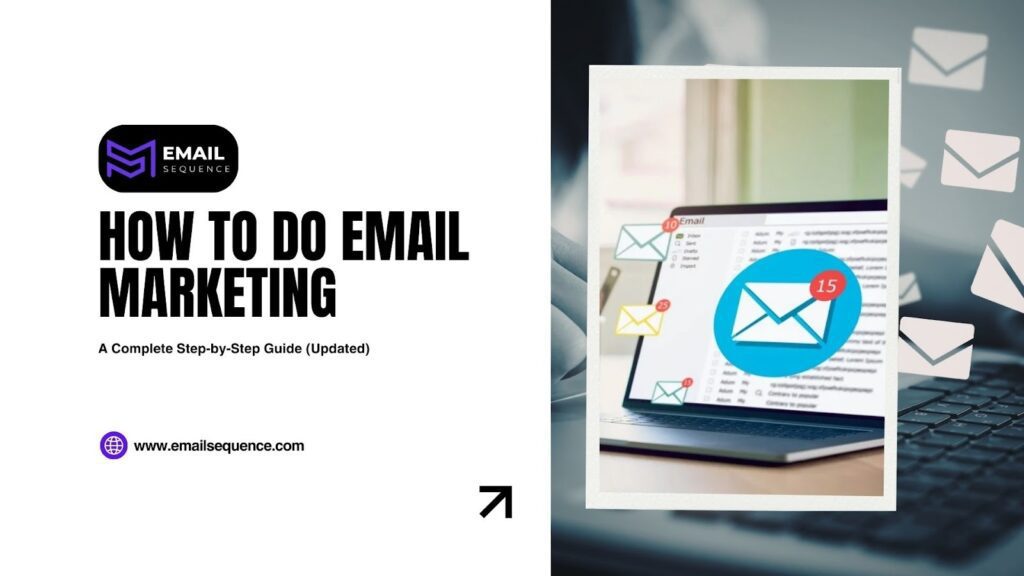
Email marketing remains one of the most powerful and cost-effective digital marketing channels available to businesses today. For every $1 spent, email marketing generates an average return of $36 to $42—a figure that few other marketing channels can match. Businesses of all sizes rely on email marketing strategies to generate leads, retain customers, and automate sales processes that drive consistent revenue.
This complete guide teaches you exactly how to do email marketing from the ground up. You will learn how email marketing works, which tools to use, how to build a high-quality email list, and the strategies that turn subscribers into loyal customers.
Modern platforms have made email marketing for beginners more accessible than ever, and this guide will walk you through every step of the process.
What Is Email Marketing?
Email marketing is a form of direct digital marketing where businesses send targeted messages to a list of subscribers via email. It is one of the oldest digital marketing channels—and one of the most reliable.
Businesses use email marketing to communicate with their audience at every stage of the customer journey. From the first touchpoint to post-purchase follow-ups, email keeps brands connected to their customers.
Types of emails businesses commonly send include:
Each type serves a specific purpose in the broader email marketing funnel. Understanding these formats helps you build more intentional campaigns.
- Newsletters: Regular updates that share company news, content, or industry insights
- Promotional emails: Time-sensitive offers, discounts, and product announcements
- Onboarding emails: Sequences that guide new subscribers or customers through your product or service
- Transactional emails: Order confirmations, shipping notifications, and account alerts
At its core, email marketing helps businesses build relationships with their audience, nurture leads over time, and convert subscribers into paying customers. It is a channel that rewards consistency, relevance, and strategic thinking.
Why Email Marketing Is Still One of the Highest-ROI Marketing Channels
Skeptics often question whether email marketing still holds value in an era of social media and instant messaging. The data consistently proves that it does.
Here is why email marketing continues to outperform other digital channels:
The reasons go beyond open rates and click-through rates. Email marketing offers structural advantages that platforms like Instagram or Facebook simply cannot replicate.
- Direct communication: Emails land directly in a subscriber’s inbox, without competing against algorithm changes or pay-to-play visibility
- High ROI: Consistent returns of $36 to $42 per dollar spent make email marketing one of the most profitable channels in digital marketing
- Audience ownership: Unlike social media followers, your email list belongs to you. A platform shutting down or changing its algorithm does not erase your audience
- Personalization: Marketers can use subscriber data—such as purchase history, location, or behavior—to send highly relevant, targeted messages
These advantages make email marketing an essential part of any long-term digital marketing strategy.
How Email Marketing Works (The Complete Process)
Understanding the email marketing funnel gives you a clearer picture of how each piece connects. The process moves subscribers from awareness to conversion through a series of deliberate touchpoints.
The complete email marketing process works as follows:
Each stage builds on the previous one. Skipping steps, especially list building or segmentation, undermines the effectiveness of the entire funnel.
- Attract website visitors: Drive traffic through SEO, social media, paid ads, or content marketing
- Capture email addresses: Use lead magnets, signup forms, or gated content to collect subscriber information
- Store contacts in an email platform: Organize your list within a dedicated tool that manages contact data and campaign history
- Send targeted campaigns: Deliver relevant content, offers, and sequences based on where subscribers are in the funnel
- Convert subscribers into customers: Use compelling calls-to-action, personalization, and automation to drive purchases or desired actions
Platforms like ConvertKit and ActiveCampaign make it possible to automate large portions of this process, freeing up time while maintaining consistent communication with your audience.
Step-by-Step Guide: How to Do Email Marketing
Step 1: Build an Email List
Building a quality email list is the foundational first step when learning how to do email marketing. Without a list, even the best-written email has no audience to send it to.
How do you attract subscribers who genuinely want to hear from you?
The answer lies in offering real value upfront. Subscribers who opt in for a specific reason are far more likely to engage with future emails.
- Lead magnets: Offer a free resource, such as an eBook, checklist, template, or webinar, in exchange for an email address.
- Signup forms: Place opt-in forms on high-traffic pages of your website, including the homepage, blog posts, and landing pages.
- Newsletter subscriptions: Invite visitors to subscribe to a regular newsletter that delivers consistent value.
- Gated content: Requires an email address to access premium content, tools, or resources.
One rule that every marketer must follow: never buy an email list. Purchased lists are filled with unverified contacts who never opted in to hear from your brand. This damages your sender reputation, tanks deliverability rates, and can result in legal penalties under laws like GDPR and CAN-SPAM.
Step 2: Choose an Email Marketing Platform
An email marketing software platform is the engine behind every campaign. It handles list management, email design, delivery, automation, and performance tracking.
Which platform is right for your business?
The answer depends on your budget, technical comfort level, and the complexity of the campaigns you want to run. Here are the most widely used options:
- Mailchimp: A beginner-friendly platform with a free tier, a drag-and-drop email builder, and basic automation features.
- HubSpot: A comprehensive marketing automation platform with advanced CRM integration, segmentation, and analytics capabilities.
- Moosend: An affordable automation platform suited for small to mid-sized businesses, with strong list management and reporting tools.
Each platform offers different strengths. Evaluate them based on your list size, automation needs, and how much you want to invest in email marketing tools over time.
Step 3: Segment Your Email Audience
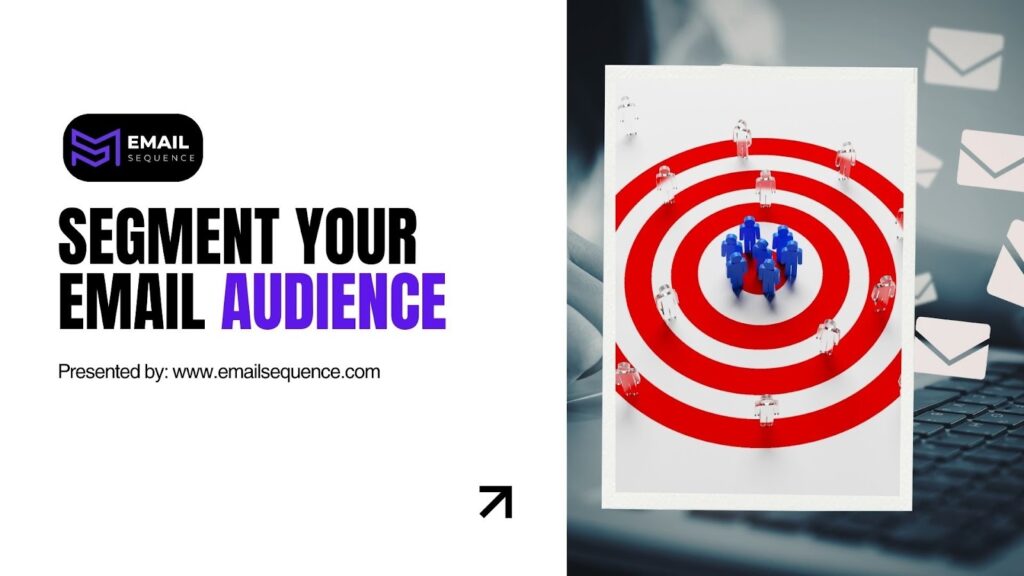
Segmentation is the practice of dividing your email list into smaller groups based on shared characteristics. It is one of the most impactful tactics in email marketing strategy.
Why does segmentation matter so much?
When learning how to do email marketing, it’s tempting to send the same message to every subscriber. But this approach treats a new lead the same as a loyal customer. Segmentation fixes this by making every email more relevant to the person receiving it.
- Demographics: Age, location, job title, or industry
- Purchase history: What products or services a subscriber has bought
- Engagement behavior: How often subscribers open emails or click links
- Interests: Topics or categories a subscriber has shown interest in
Proper segmentation consistently improves open rates, click-through rates, and conversion rates. It signals to subscribers that you understand their needs—and that builds trust.
Step 4: Create Your First Email Campaign
Creating an effective email requires attention to structure. Every element of the email plays a role in whether the reader engages or moves on.
What goes into a high-performing email?
Think of each component as a layer that guides the reader toward a single, clear action.
Subject line:
It determines whether the email gets opened. Keep it concise, specific, and relevant. For example, “Your weekly marketing tips” is good, but “3 Tools to 2x Your Traffic” is better. A subject line like “Did you forget something?” can also create urgency and curiosity.
Email body:
Deliver value quickly. Use short paragraphs, clear language, and a logical flow that moves the reader toward the CTA. For instance, instead of a long block of text, break down benefits into a bulleted list. Or, tell a short, relatable story that illustrates the problem your product solves.
Images:
Use visuals strategically to support your message, not distract from it. Always include alt text for accessibility. A high-quality photo of your product in use can be very effective, as can a simple, branded graphic that visualizes a key statistic from your email.
Call-to-action (CTA):
Every email needs one clear action for the reader to take. Whether it is clicking a link, claiming an offer, or replying to a message, the CTA must be obvious and compelling. Instead of a generic “Click Here,” try a more specific and benefit-driven CTA like “Claim Your 20% Discount” or “Start My Free Trial.”
A focused email—with one goal and one CTA—consistently outperforms emails that try to accomplish too many things at once.
Step 5: Set Up Email Automation
Email marketing automation allows businesses to send the right message to the right person at the right time—without manual effort for every send.
Which automated workflows deliver the most value?
Start with the sequences that have the highest impact on subscriber experience and conversion rates.
- Welcome email sequence: Greet new subscribers, introduce your brand, and set expectations for what they will receive.
- Onboarding emails: Guide new customers through your product or service to help them achieve early success.
- Abandoned cart reminders: Recover lost revenue by reminding shoppers of items they left behind.
- Re-engagement campaigns: Win back inactive subscribers with targeted messages designed to reignite their interest.
Automation saves significant time and ensures that subscribers receive timely, relevant communication throughout their entire journey with your brand.
Best Email Marketing Strategies for Higher Conversions
Executing campaigns consistently is important, but if you want to know how to do email marketing that truly drives results, you need a strategy. Executing campaigns strategically is what separates high-performing programs from average ones.
What separates email programs that convert from those that do not?
The most effective programs combine personalization, data, and consistent testing to continuously improve results.
Personalization
Personalization goes beyond just using a subscriber’s first name. By leveraging behavioral data and purchase history, you can create highly tailored content that resonates on an individual level. This strategy makes your audience feel seen and understood, which can significantly boost engagement.
- Use subscriber names in subject lines and email copy to grab their attention.
- Recommend products based on past purchases or browsing history.
- Tailor promotional offers to specific customer segments.
- Acknowledge milestones like birthdays or anniversaries with special discounts.
Behavioral Targeting
Behavioral targeting involves sending automated emails triggered by specific user actions (or inaction). This ensures your messages are timely and relevant to what the subscriber is doing at that moment. It’s a powerful way to guide users along the customer journey.
- Send a welcome series to new subscribers to introduce your brand.
- Trigger an abandoned cart email if a user leaves items in their cart without purchasing.
- Follow up with users who visit a specific product or category page.
- Re-engage inactive subscribers who haven’t opened emails in a while.
A/B Testing
To optimize your campaigns, you need to know what works and what doesn’t. A/B testing allows you to compare different versions of an email to see which one performs better. Consistently testing and applying your findings is key to long-term improvement.
- Test different subject lines to see which ones achieve higher open rates.
- Experiment with various calls-to-action (CTAs) to improve click-through rates.
- Compare different images or email layouts to see what captures attention.
- Analyze results to identify winning elements and apply them to future campaigns.
Consistent Scheduling
Maintaining a regular sending schedule helps build familiarity and trust with your audience. When subscribers know when to expect your emails, they are more likely to engage with them. Inconsistency, on the other hand, can lead to lower open rates and more unsubscribes.
- Develop a content calendar to plan your campaigns.
- Determine the best day and time to send emails based on past performance data.
- Maintain a steady cadence, whether it’s daily, weekly, or bi-weekly.
- Inform subscribers of your sending frequency in your welcome email to set expectations.
Best Email Marketing Tools
The right email marketing tools dramatically reduce the time and effort required to run effective campaigns. Here are the platforms most trusted by marketers:
Which tool matches your goals and budget?
Each platform serves a different type of user. Understanding their strengths helps you make a more informed choice.
- EmailSequence: Best for businesses focused on scaling their email outreach and sales funnels. Offers advanced automation, A/B testing, and powerful personalization features.
- Mailchimp: Best for beginners. Offers a free plan, an intuitive drag-and-drop builder, and basic automation workflows
- HubSpot: Best for businesses that want a full marketing and CRM suite. Offers advanced segmentation, automation, and detailed analytics
- ConvertKit: Best for content creators, bloggers, and solopreneurs. Designed around audience building and simple automation sequences
- Moosend: Best for businesses seeking an affordable automation platform with strong segmentation and reporting capabilities
Email Metrics That Actually Matter
Data is what transforms email marketing from guesswork into a measurable, optimizable system. Tracking the right metrics tells you exactly where to improve.
Which numbers tell you whether your campaigns are truly working?
Focus on the metrics that connect most directly to your business goals.
- Open rate: The percentage of recipients who open your email. This metric reflects the strength of your subject lines and sender reputation
- Click-through rate (CTR): The percentage of recipients who click a link within the email. This measures how compelling your content and CTA are
- Conversion rate: The percentage of subscribers who complete a desired action, such as making a purchase or filling out a form. This is the ultimate measure of campaign effectiveness
- Bounce rate: The percentage of emails that fail to deliver. High bounce rates signal list quality issues and can damage your sender reputation
Review these metrics after every campaign. Use the insights to refine your subject lines, content, segmentation, and sending frequency over time.
The Future of Email Marketing (AI & Automation)
Artificial intelligence is fundamentally changing how businesses approach email marketing strategy. The shift is already underway, and its impact on personalization and efficiency is significant.
How is AI reshaping what is possible in email marketing?
The capabilities now available to marketers would have seemed out of reach just a few years ago.
- Predictive personalization: AI analyzes subscriber behavior to predict what content, offers, or timing will resonate most with each individual.
- Automated content generation: AI tools assist in drafting subject lines, email copy, and CTAs based on past performance data and audience preferences.
- Behavior-based campaigns: Advanced automation platforms use machine learning to trigger emails based on nuanced signals, such as browsing patterns, purchase intent, and engagement history.
- Optimized send times: AI can determine the optimal time to send an email to each subscriber, maximizing open and engagement rates.
- Dynamic segmentation: AI algorithms can automatically segment your audience into micro-groups based on real-time data, allowing for highly targeted campaigns.
Marketers who learn to leverage these tools now will hold a significant competitive advantage as the technology matures.
Conclusion
Learning how to do email marketing is one of the highest-leverage investments a business can make. The channel offers unmatched ROI, direct audience access, and near-limitless potential for personalization and automation.
To summarize the key steps: build a permission-based email list, choose the right platform for your needs, segment your audience for relevance, create focused campaigns with clear CTAs, and implement email marketing automation to scale your efforts without sacrificing quality.
Apply the email marketing tips covered in this guide consistently, track your metrics after every campaign, and commit to continuous improvement. Whether you’re running your first campaign or overhauling an existing program, the principles in this guide will help you build an email marketing engine that delivers real, measurable results.
Ready to put these strategies into action? Visit emailsequence.com to find the tools and templates you need to start building effective campaigns today. Your audience is waiting.
Frequently Asked Questions
What is email marketing?
Email marketing is a digital marketing channel where businesses send targeted messages to a list of subscribers via email. It is used to build relationships, nurture leads, promote products or services, and drive conversions.
How do beginners start email marketing?
Beginners should start by choosing a beginner-friendly platform like Mailchimp, building an email list through opt-in forms and lead magnets, and sending their first campaign to a small, engaged audience. Following a step-by-step guide like this one provides the clearest path forward.
How often should businesses send marketing emails?
There is no universal answer, as optimal frequency varies by industry and audience. Most businesses find success sending one to four emails per month. The key is to monitor unsubscribe rates and engagement metrics to find the frequency that works best for your specific list.
Is email marketing still effective today?
Yes. Email marketing consistently delivers one of the highest returns on investment of any digital marketing channel, with average returns of $36 to $42 for every $1 spent. Its effectiveness comes from direct audience access, strong personalization capabilities, and the fact that businesses own their email lists outright.